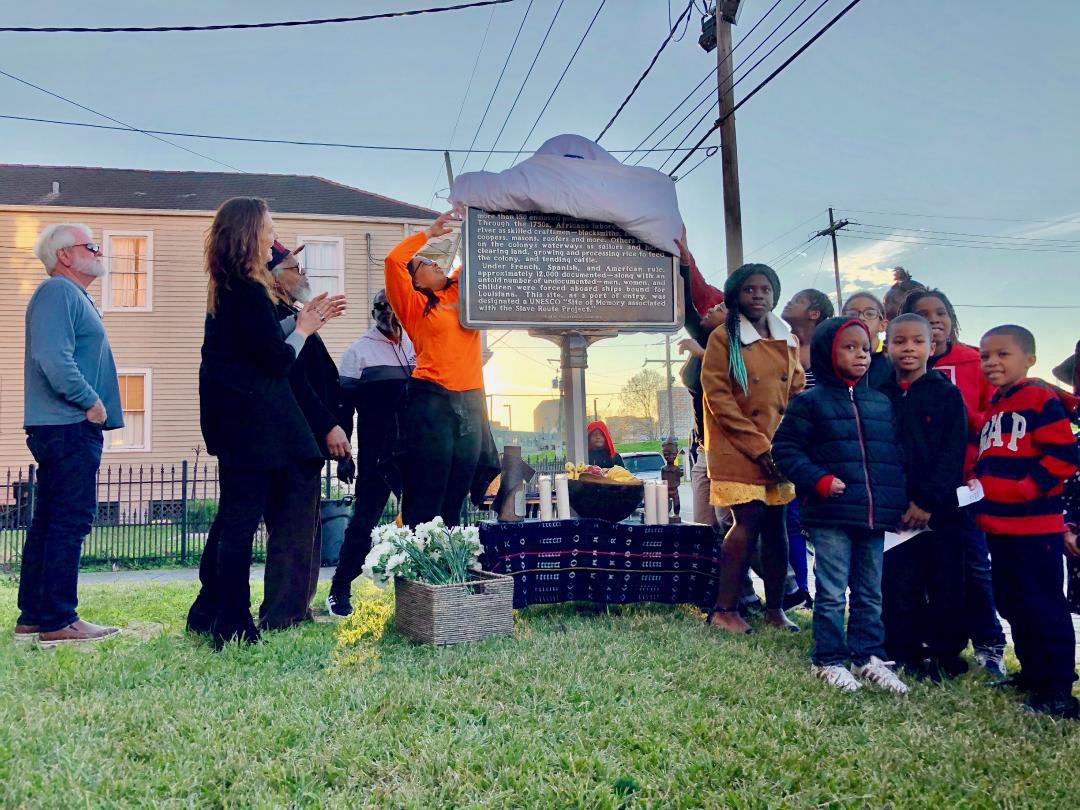
African Presence in Algiers
Text
On December 31, 2019, the Algiers Tricentennial Committee and the Algiers community of New Orleans dedicated this historic Middle Passage marker at what is now the Algiers Courthouse honoring those who perished and those who survived the trans-Atlantic trade of Africans in bondage.
In the 18th and 19th centuries, as Africans were shipped to New Orleans, this region of the city was a French colonial encampment originally managed by Le Page du Pratz on which cabins housed the enslaved. According to geographer Richard Campanella, Ph.D., this area was used as a “warehouse, workshop, lumber mill and a farm in service of the principal colony across the river. Its primary use, however, was as a depository for captive Africans recently arrived from Senegambia as well as the Bight of Benin and Congo regions. Known as the Company Plantation, the site in the 1720s had more than 30 cabins used for the temporary sheltering of slaves until they were sold to colonists, or for their permanent housing if they were owned by the Company itself — as were 154 people at one point, making present-day Algiers Point, according to historian Erin M. Greenwald, the location of 'the largest single group of enslaved men, women, and children living in Louisiana.’ ”
Historians Freddi Evans and Erin Greenwald explain that “the first ship to arrive at this site was the Expédition, which landed 91 enslaved people, most from the Senegambian region, in 1723 . . . By 1725, the vast majority of enslaved people brought from West and West Central Africa to be sold in Louisiana were put on shore near this site, some receiving treatment at the plantation hospital before being sold to owners in New Orleans and the surrounding area.” As the trade continued, “under French, Spanish, and American rule, approximately 12,000 documented—along with an untold number of undocumented—men, women, and children were forced aboard ships bound for Louisiana . . . where the enslaved labored, 'clearing land, growing and processing rice to feed the colony, and tending cattle'." They also worked on the "colony's waterways" and "across the river as skilled craftsmen -- blacksmiths, carpenters, coopers, masons, roofers, and more" (Evans and Greenwald).
In Algiers, the business of the human trade, both international and domestic, was a principal factor in this city’s fiscal, social, and cultural development. This site, as a port of entry, has been designated a “Site of Memory” associated with the UNESCO Slave Route Project.
Files
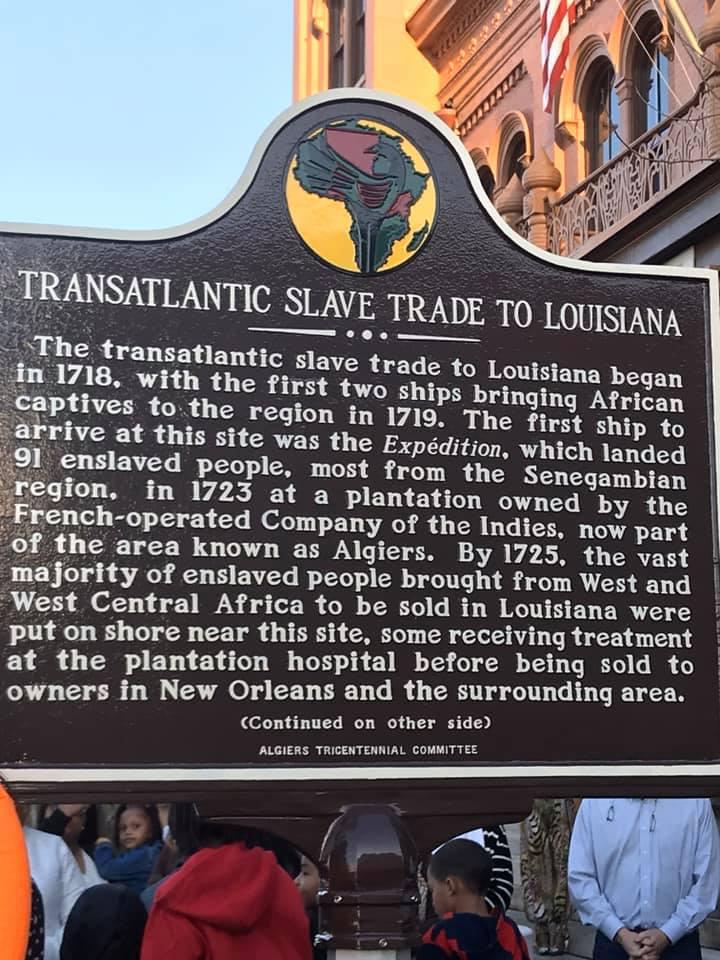
Front of Transatlantic Slave Trade to Louisiana Marker
Source: Photo courtesy of Robert Spencer. | Date: December 31, 2019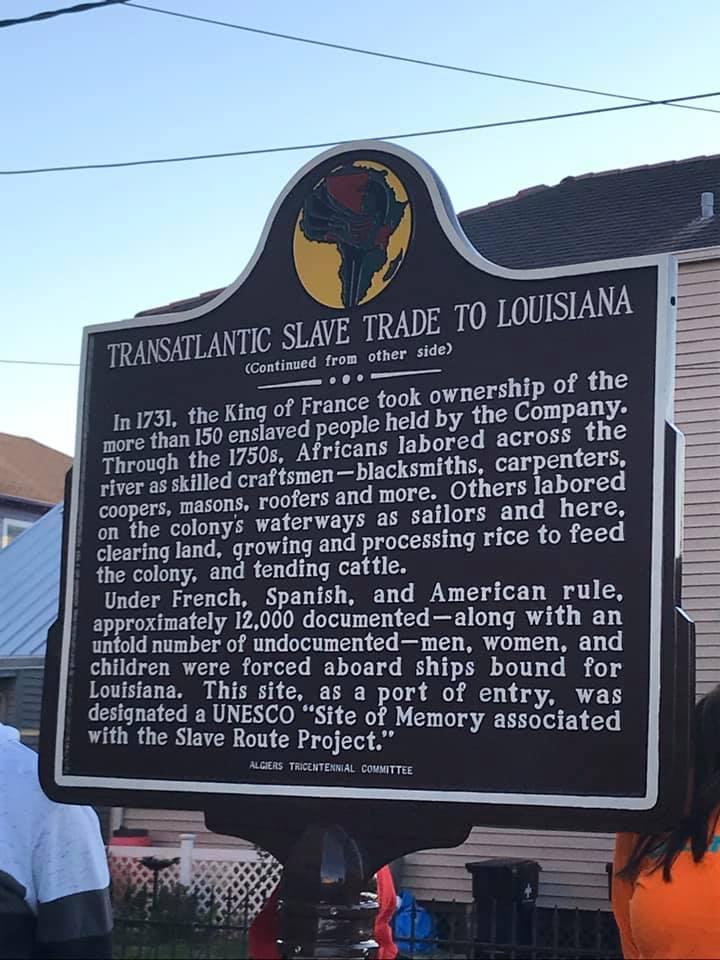
Back of Transatlantic Slave Trade to Louisiana Marker
Source: Photo courtesy of Robert Spencer. | Date: December 31, 2019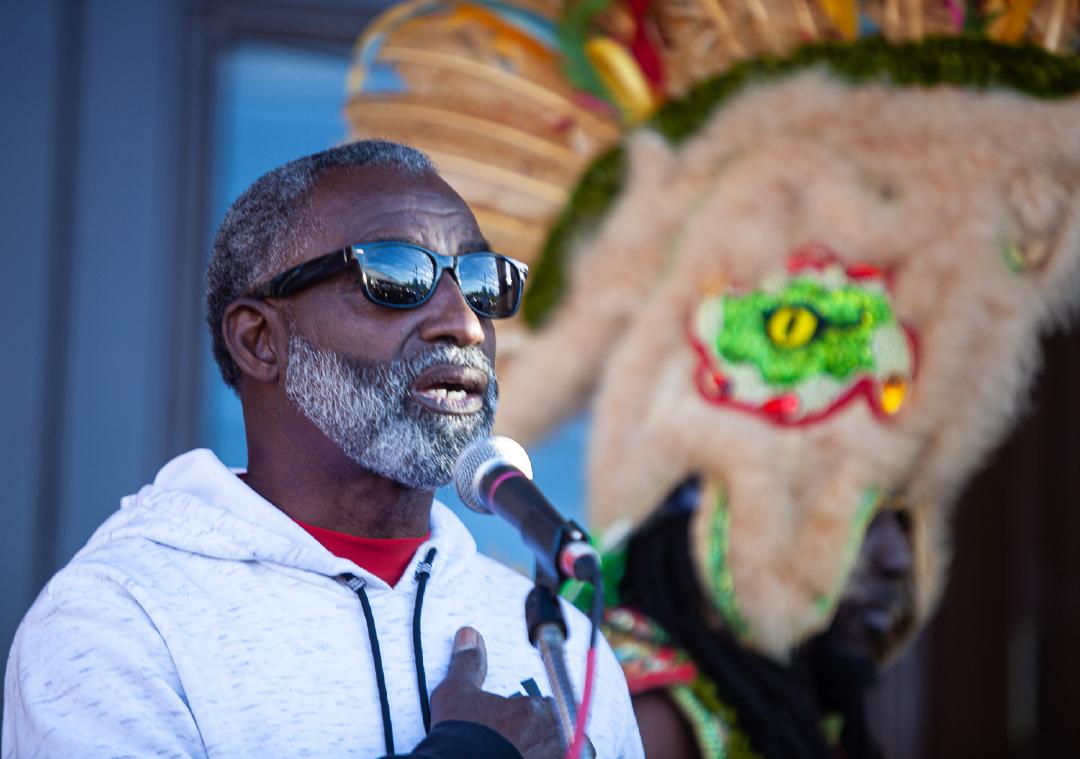
Tyrone Casby, Big Chief of the Mohawk Hunters, offers chants and an Indian prayer at the marker dedication.
Tyrone Casby's great great grandfather, William Casby, was born in enslavement in Algiers, La. Tyrone Casby's children and grandchildren (6th and 7th generation descendants of William Casby) also mask for the Mohawk Hunters. | Source: Photo courtesy of Robert Spencer. | Date: December 31, 2019.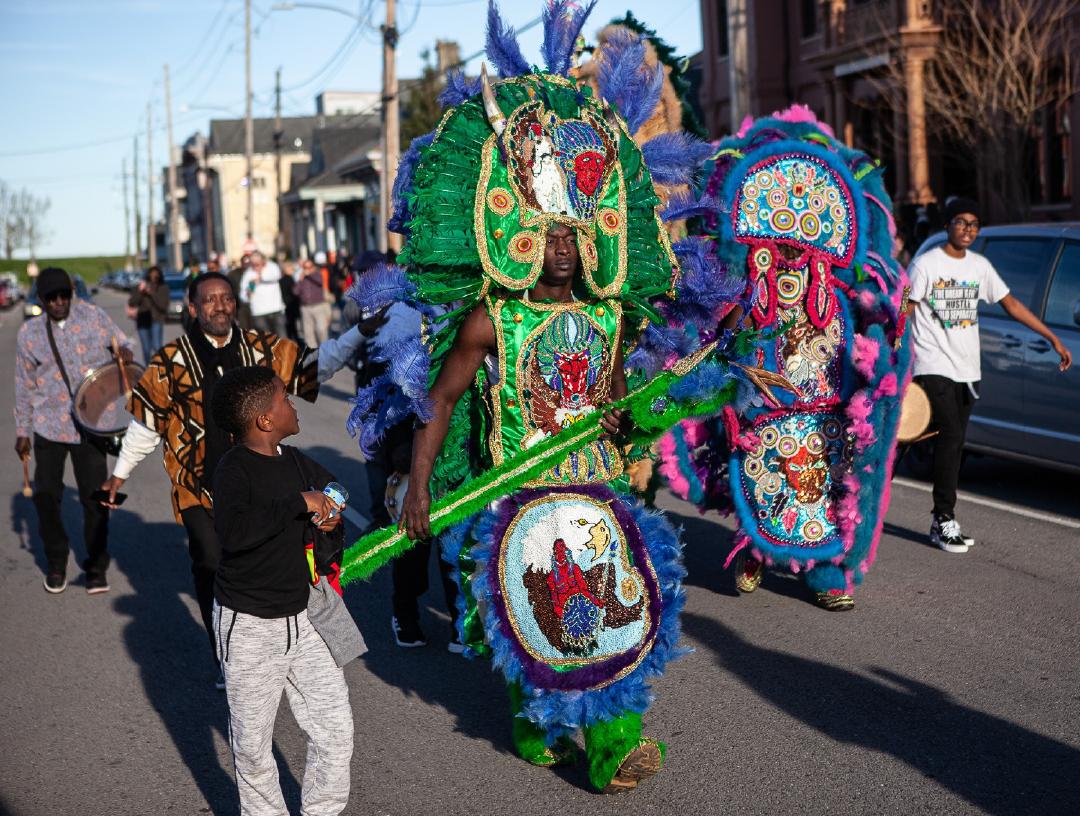
Mohawk Hunters prepare to honor African ancestors at the marker dedication.
Source: Photo courtesy of Robert Spencer. | Date: December 31, 2019.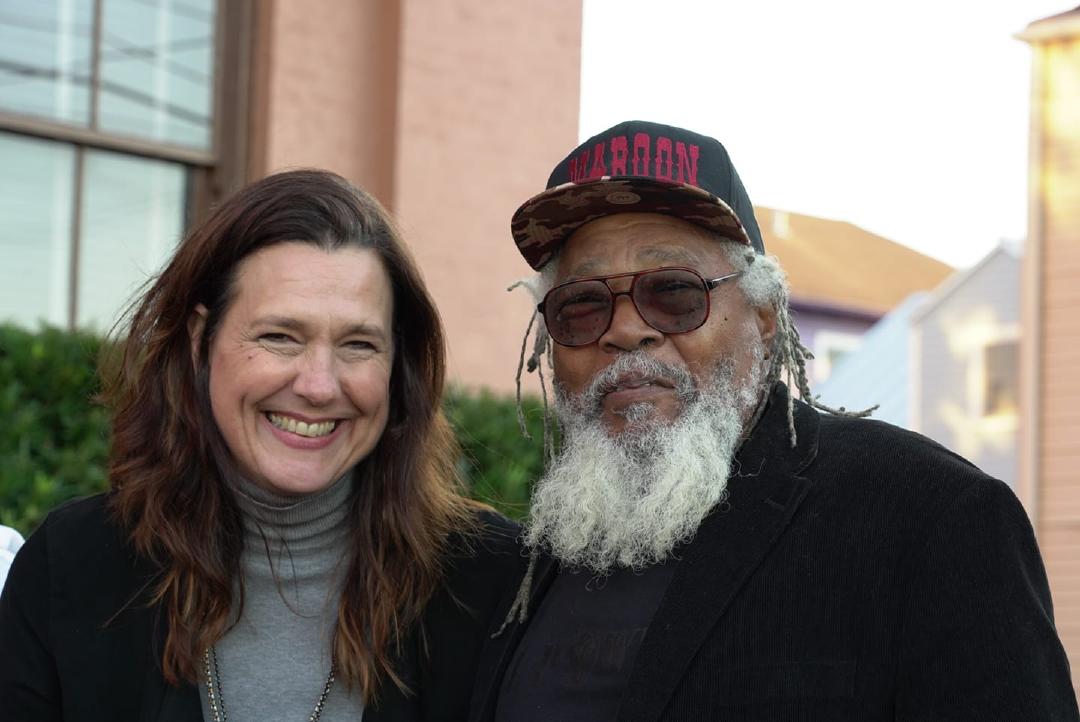
City Councilperson Kristen Palmer and Malik Rahim at marker dedication.
Source: Photo courtesy of Odette Harmsen. | Date: December 31, 2019.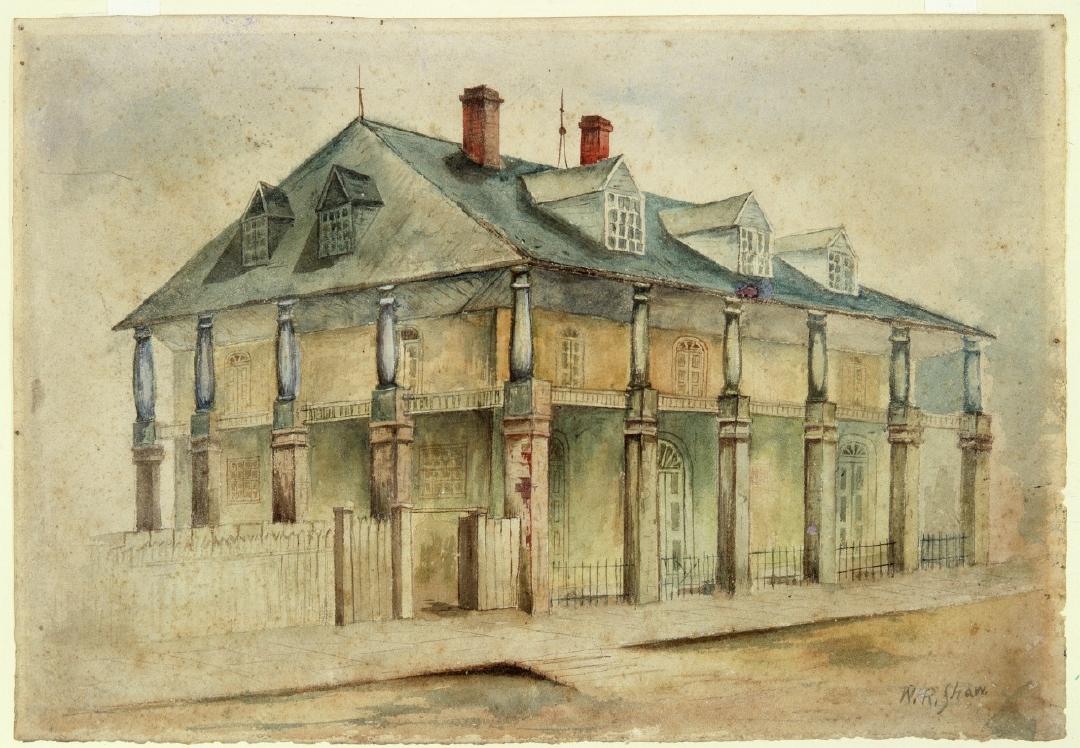
"Maison Duverjé á Algér, 1812"
Watercolor of the Duverje family's plantation house (later used as the Algiers courthouse). This plantation was home for many enslaved Africans whose free labor built the Algiers community. | Source: Image courtesy of The Historic New Orleans Collection, The L. Kemper and Leila Moore Williams Founders Collection, 1964.12. | Date: Created ca. 1887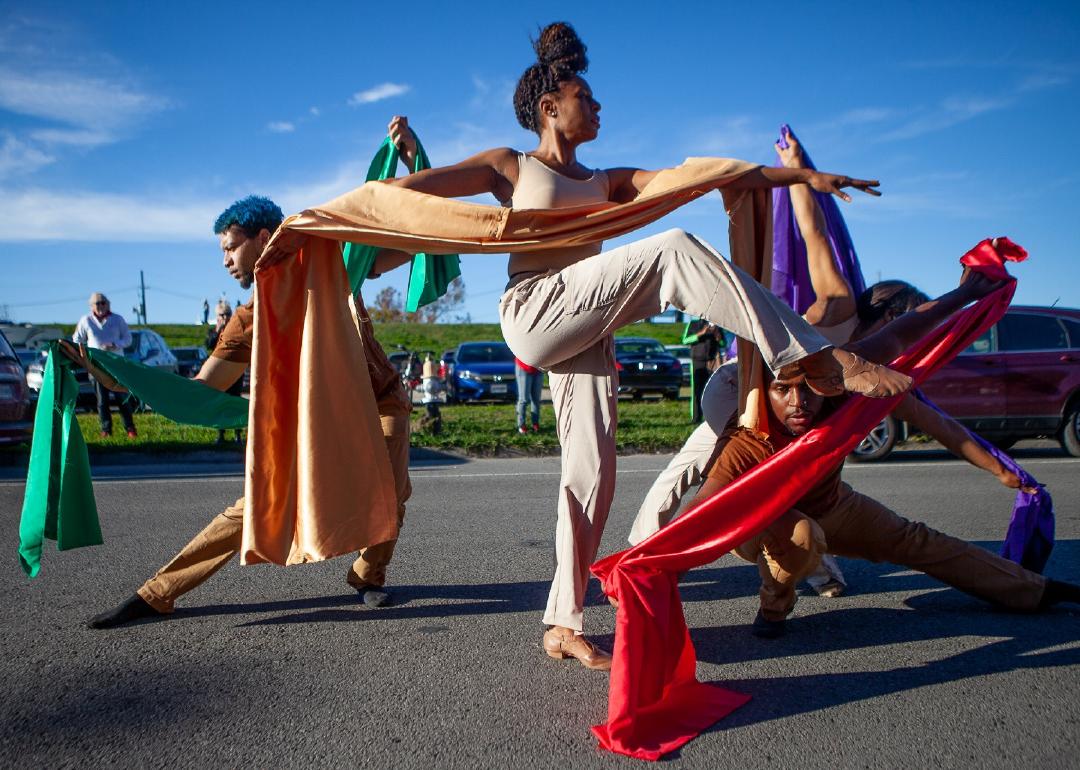
An original performance to honor enslaved Africans at the dedication by Gretna's Studio K Dance Company.
Source: Image courtesy of Robert Spencer. | Date: December 31, 2019.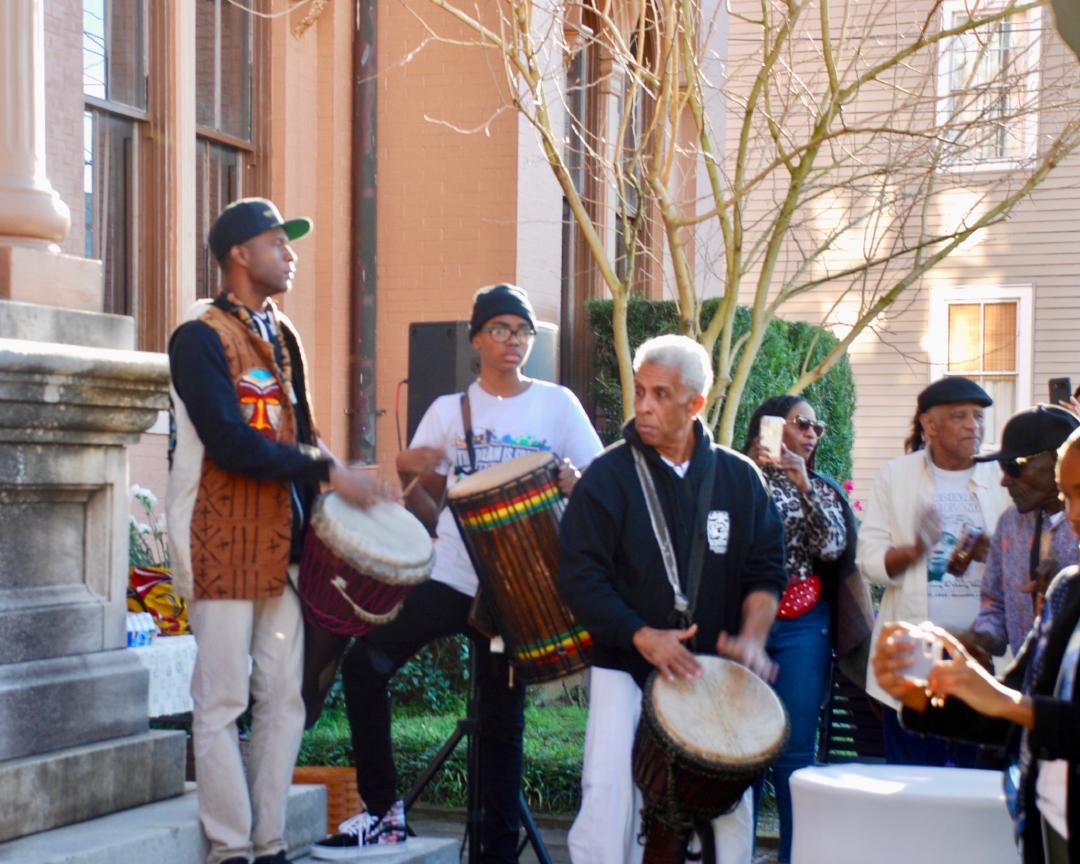
Congo Square Preservation Society offers a drum call before the unveiling.
Source: Photo courtesy of Robert Cataliotti. | Date: December 31, 2019.