The Birthplace of Jazz: A Walking Tour Through New Orleans' Musical Past
New Orleans' claim to be the birthplace of jazz is explored in this walking tour, which focuses on the musical artists and the communities where jazz developed in and around the French Quarter.
Starting with the discovery site of the Original Dixieland Jazz Band on Canal Street, the tour ventures to the Back of Town neighborhood of Louis Armstrong's youth to the vaudeville playhouses and dance halls of the Tango Belt and Storyville districts. In the Treme neighborhood, public artworks in Louis Armstrong Park celebrate the city's rich musical history, and a conclusion in the lower French Quarter underscores the neighborhood's past as an African American and Italian immigrant community.
Whereas early jazz historians romanticized the birth and spread of jazz in the 1910s and 1920s, this tour reveals the diversity of venues and performance sites during this period, as well as the rich social context of the neighborhoods where musicians grew up.
Access: Walking
Distance: ~1.5 miles, 45-60 minutes
Stories 9
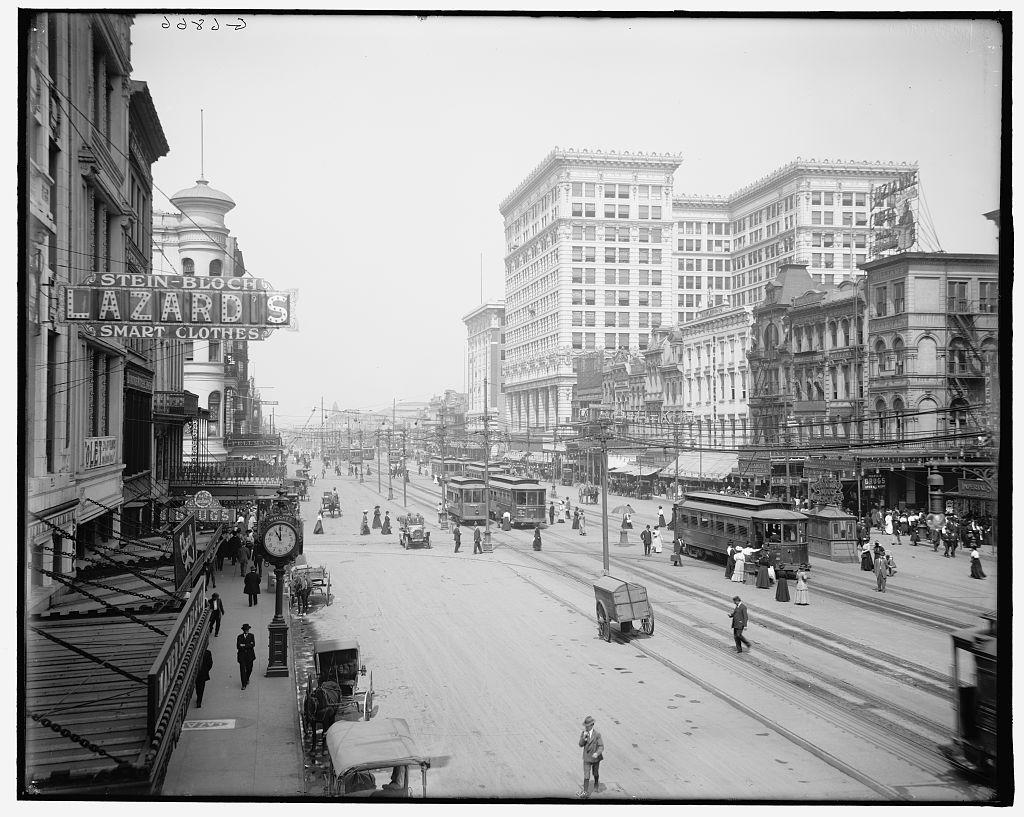
Exchange Alley at Canal Street
This block on Canal street was the hangout spot for non-union white jazz musicians and the site where the Original Dixieland Jazz Band was discovered in 1915.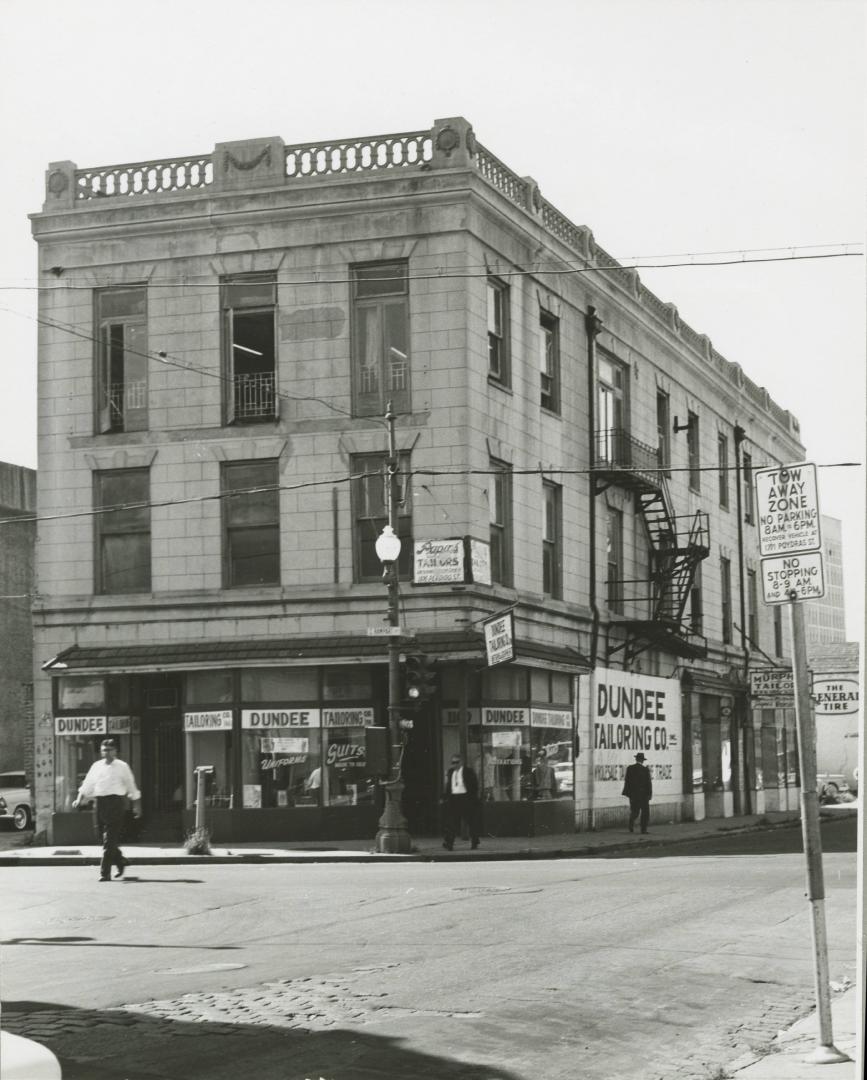
The Eagle Saloon
As the site of Buddy Bolden performances and Louis Armstrong's youth, the Eagle Saloon is one of the most significant early jazz landmarks still remaining in New Orleans.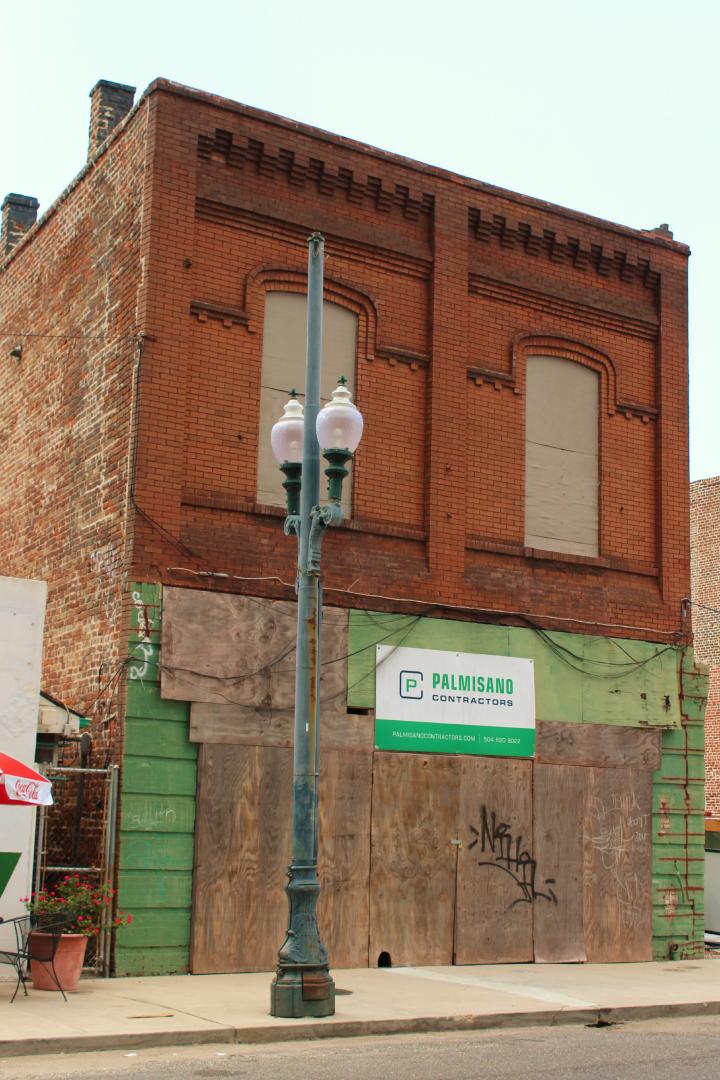
The Iroquois Theater
Louis Armstrong won a talent show as a youth after dipping his face in flour and performing at The Iroquois Theater.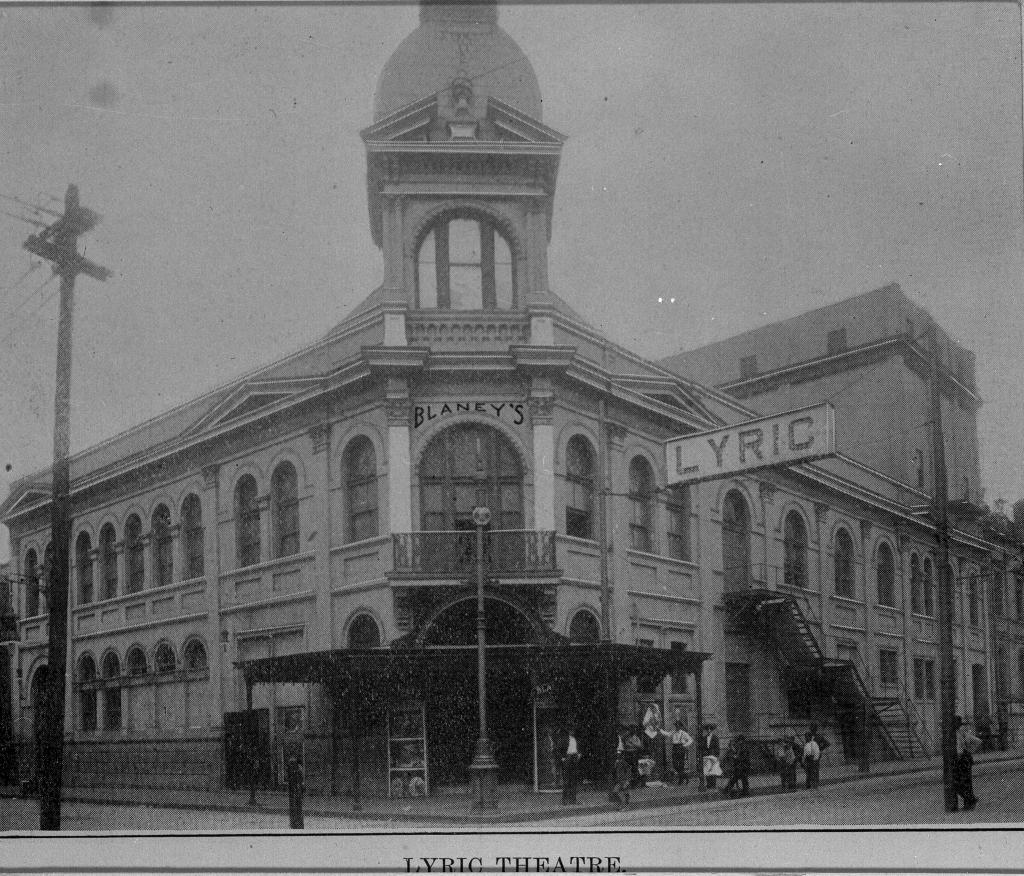
The Lyric Theatre
New Orleans' largest African American vaudeville theater in the 1920s hosted many jazz, blues and vaudeville stars, and featured the John Robichaux Orchestra.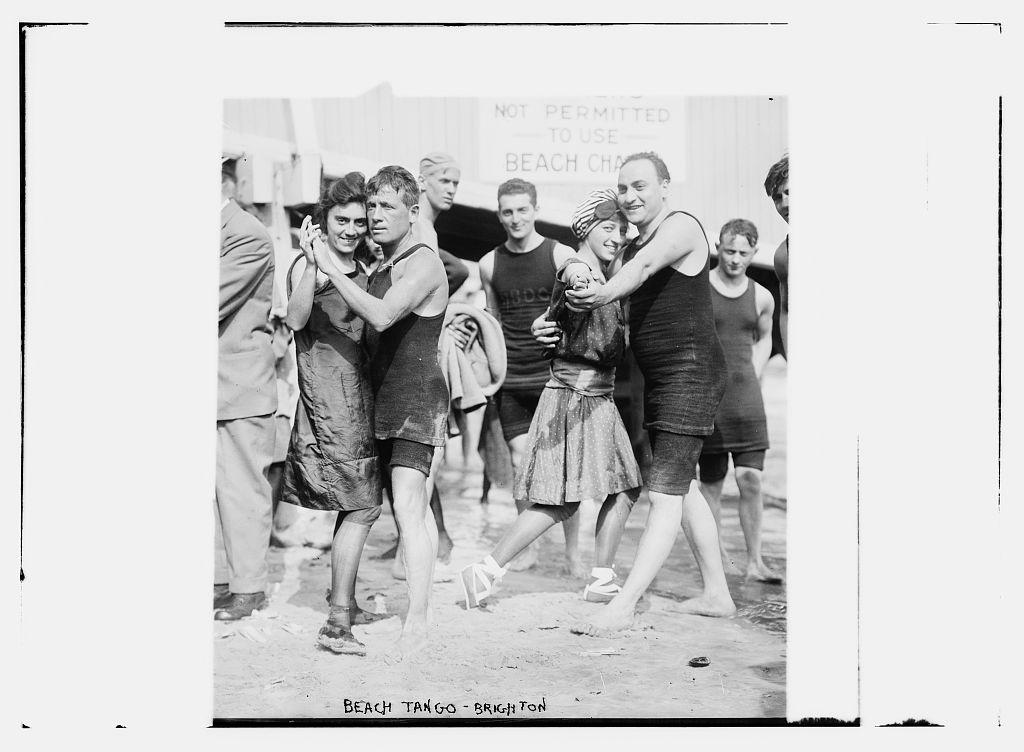
The Tango Belt
This entertainment district in the Upper French Quarter was a center of music and theater performance in the 1920s for both black and white patrons.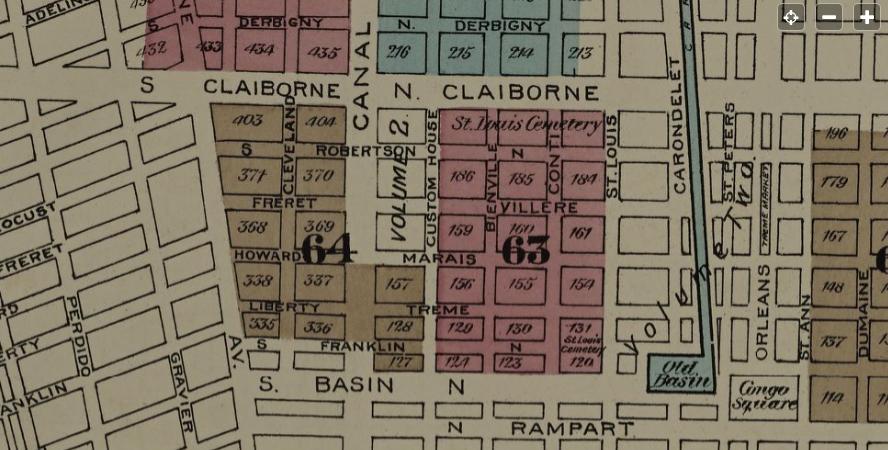
Storyville District
A legalized prostitution district associated with the early development of New Orleans-style jazz existed from 1897-1917. Romanticized by early historians as the birth-place of jazz, this red-light district included brothels, bars and dance halls where jazz artists performed and socialized.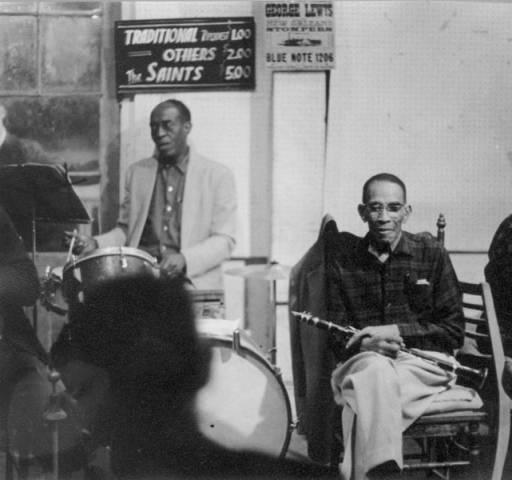
Preservation Hall
Preservation Hall - a concert hall in the French Quarter that began as a jazz performance space supported by artists, musicians, and civil rights activists in 1962.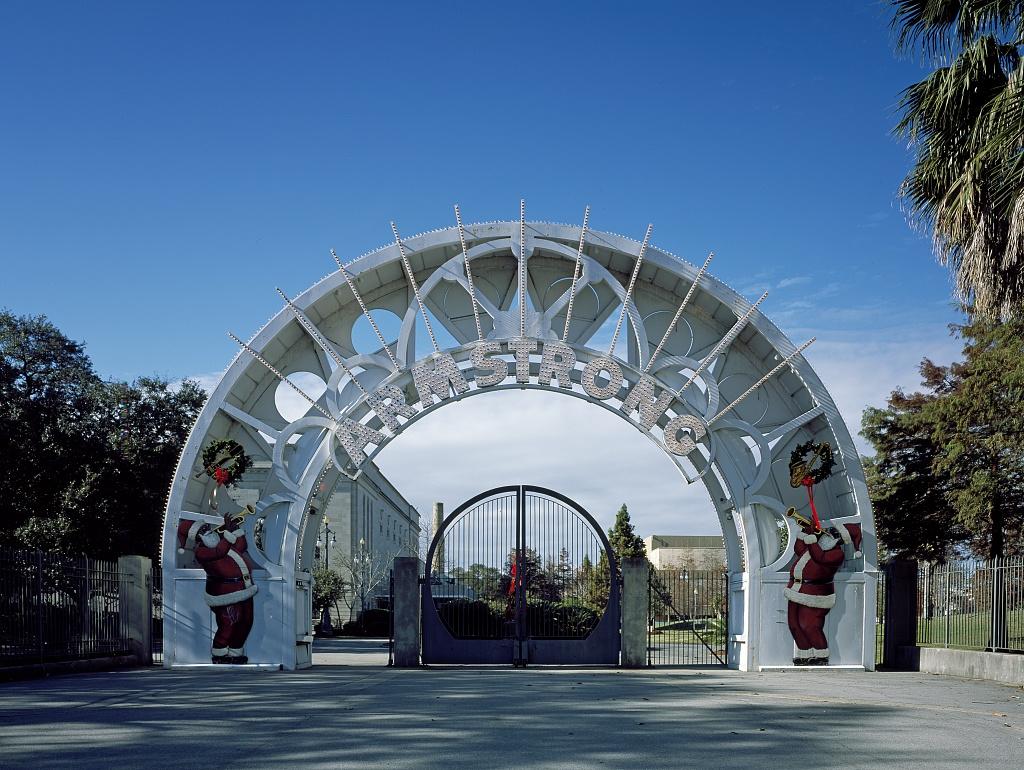
Louis Armstrong Park
Armstrong Park honors the local jazz legend and features public art works and historic sites related to the earliest development of jazz in New Orleans..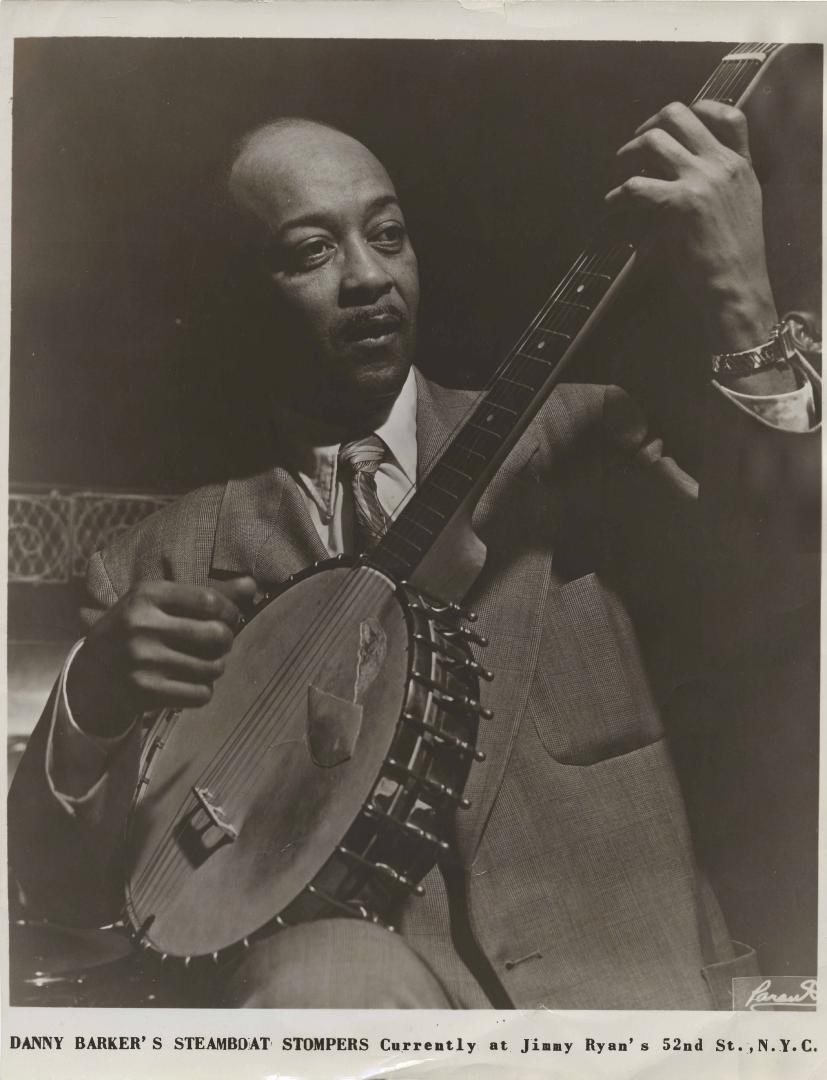
Danny Barker’s Birthplace
Musician, educator, author and storyteller Danny Barker was born in 1909 in the rear building at 1027 Chartres Street. At the time of Barker's birth, the lower French Quarter community was home to a…Tour curated by: UNO Public History Grad Students, Prof. Charles Chamberlain