Streetcars of New Orleans
Streetcars are an iconic image of New Orleans. Although only four streetcar lines still exist—St. Charles, Canal, Rampart, and Riverfront—they remain nostalgic vestiges of the city’s past, immortalized in Tennessee Williams A Streetcar Named Desire, and a number one item on tourist lists of things to do in the Crescent City.
From their origins in the 1830s as local railcars and horse or mule-drawn drawn cars, to its transition to electric powered streetcars in the 1890s, through the early twentieth century strikes, the battle over streetcar segregation, the replacement of many of the lines by buses in the mid-twentieth century, the creation of the New Orleans Regional Transit Authority in 1979 to consolidate the previously privately-operated lines, and the restoration of the lines after Hurricane Katrina, streetcars have captured the public’s imagination, been important modes of transportation, and served as lenses to view the changing history of the city itself.
Access: Walking,
Distance: ~2.5 miles, ~1 hour (excluding final, virtual stop at UNO)
Stories 8
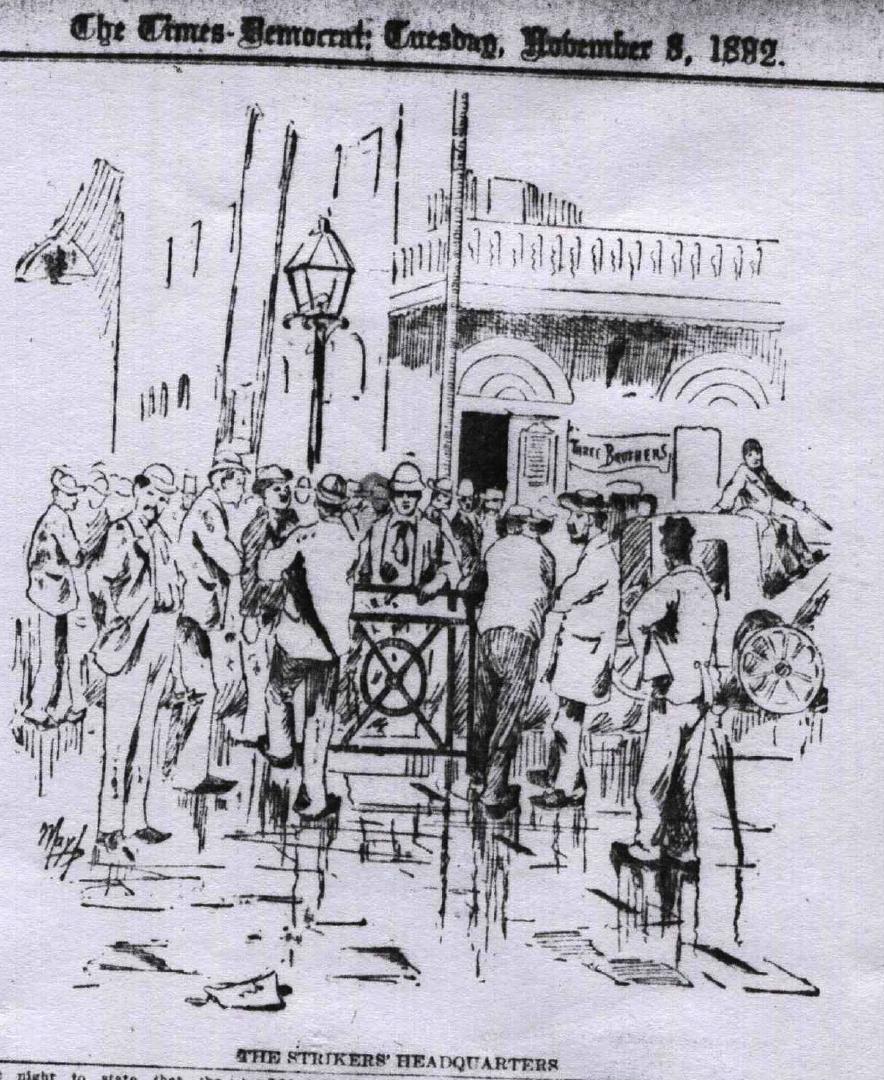
1892 General Strike
Shortly before the arrest of Homer Plessy in June 1892, a successful streetcar strike initiated a wave of union organizing that culminated in what has been called the first biracial general strike in…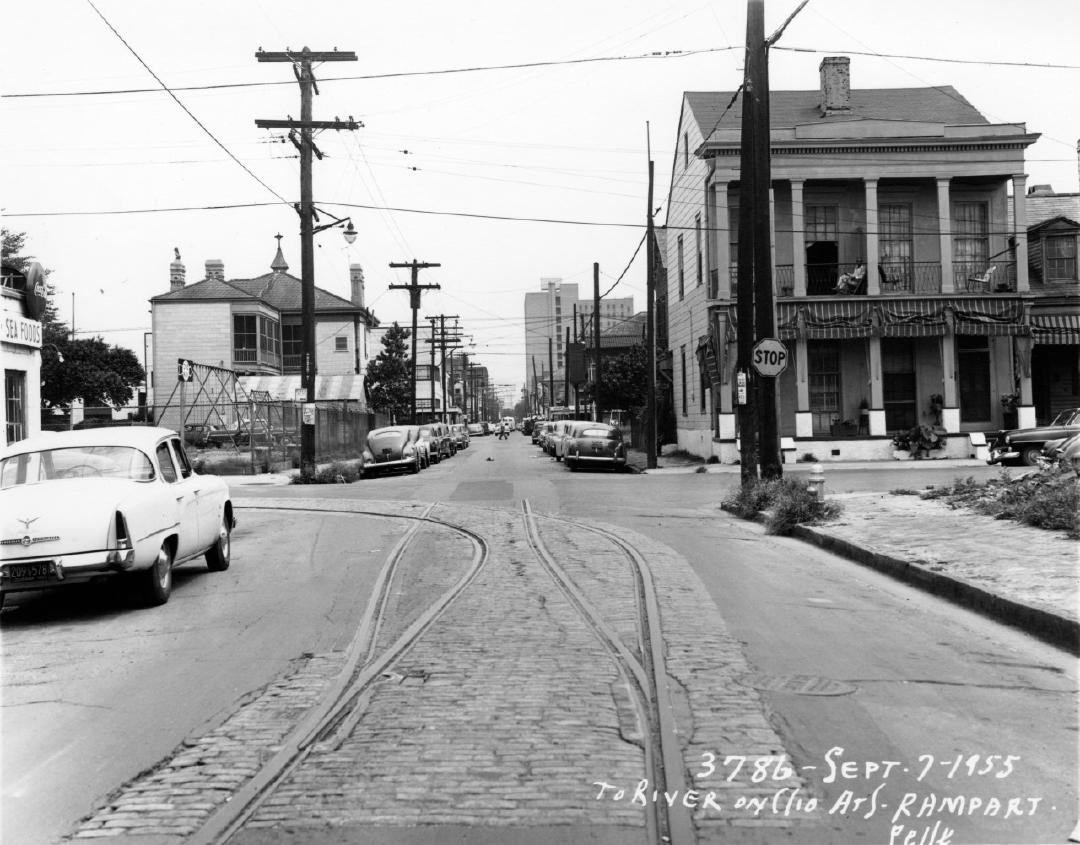
Clio Streetcar in the Early 1900s
The Clio streetcar line opened in 1867 and ended service in 1932. Also known as the "C-L-10," this route once connected the uptown and Marigny (downtown) neighborhoods. The street, accompanied by the…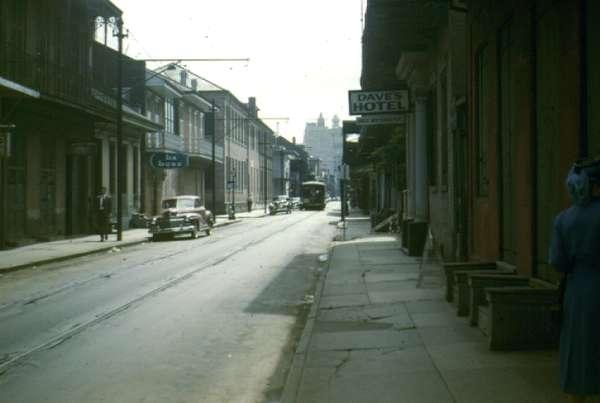
The Desire Line: Streetcar Loss & Rebirth in New Orleans
The Desire streetcar line gained widespread acclaim when Tennessee Williams' play, "A Streetcar Named Desire," was published in 1947. By that time, New Orleanians were quite familiar with the Desire…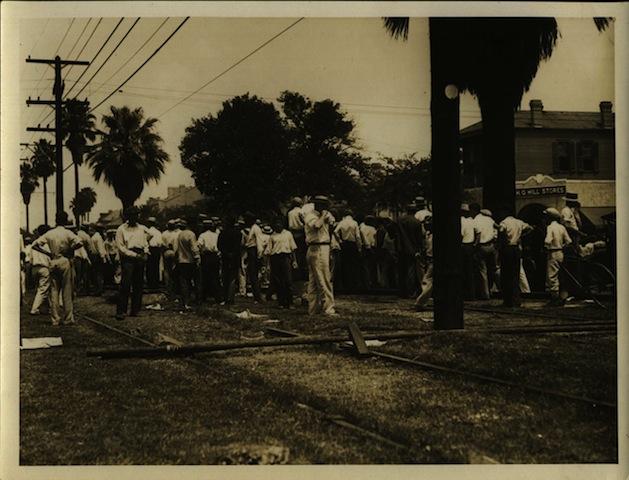
1929 Streetcar Strike
Following increasingly heated contract negotiations, New Orleans streetcar motormen and conductors struck beginning July 1, 1929. The survival of the carmen's union and 1,100 jobs was in question.…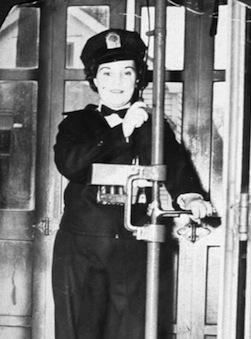
WWII Conductorettes and Motorettes
During the Second World War, a labor shortage developed as men began to serve in the armed forces. Women were increasingly encouraged to take over responsibilities on the home front. Women took jobs…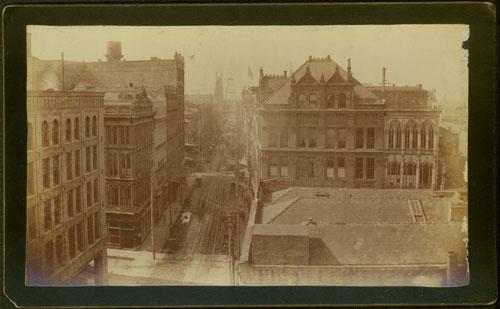
Dryades Streetcar Line: Urban Transit above St. Charles Avenue
The Dryades Streetcar line opened in 1866 to serve the areas above St. Charles Avenue. Known as the "Banlieu" (outskirts), this area was an economic center even before the Civil War. The Dryades…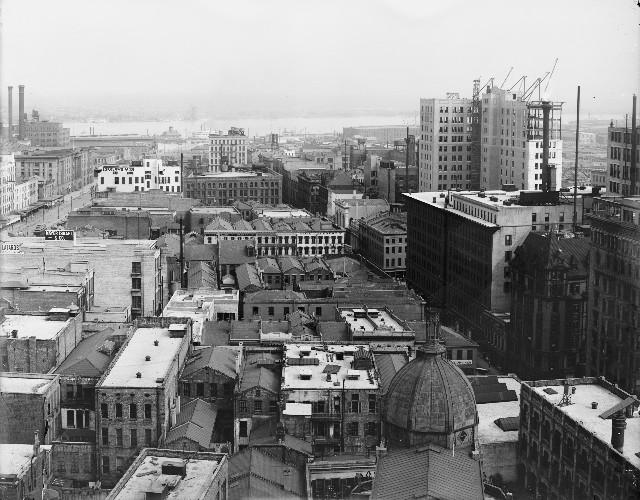
Dryades Streetcar Maims Child in the 1920s
In an era when urban planners tout streetcars as engines of urban redevelopment, it is good to remember how dangerous these urban railroads could be. In the oral history below, the late journalist…
Streetcar Historian Michael Mizell-Nelson
Michael Mizell-Nelson was a historian of the streetcar, exploring the labor history and publicizing the connection of streetcar strikes to the creation of the Po Boy Sandwich, examining streetcar…Tour curated by: Michael Mizell-Nelson, Kevin McQueeney