Meet Me at the Crossroads: The Life and Legend of Marie Laveau
Marie Laveau is known to many as the Vodou Queen of New Orleans. Vodou is an Afro-syncretic religion, blending elements of West and Central African religion, Native American spirituality, and European Catholicism. In the 18th and 19th centuries, when enslavers trafficked West African peoples to the Americas, they banned enslaved people from practicing their traditional religions. In order to continue to practice their traditional religion, while avoiding punishment or death from French and Spanish enslavers, Africans used elements of Catholicism to “mask” their religious practices.
Marie Laveau, perhaps one of the most contested and debated figures in New Orleans history, has no shortage of admirers and doubters. How and why did Laveau, a Black woman and religious leader in 19th century New Orleans, become so renowned that her tomb is now one of the most visited gravesites in the United States?
With so many myths, legends, and exaggerations surrounding Marie Laveau’s life, it can seem that very little can be accurately stated about her. But what can be said with certainty is that she was a woman that defied standards placed upon her by society. Laveau was a free person of color in a slave society. Laveau was a successful woman in a patriarchal society. Laveau held on to and continued African religious practices in a white Catholic world. Laveau was a daughter, mother, grandmother, healer, counselor, nurse, and friend. This tour is only a brief glimpse into her life and legend. Everyone is encouraged to read further to learn more about one of New Orleans’ most famous spirits: see the related resources section at the bottom of each tour stop.
Ainsi soit-il, Ayibobo! (1)
Access: Walking
Distance: ~1.25 miles, ~30 minutes
Tips: St. Louis Cemetery No. 1 is no longer open to the public. To tour the cemetery and see the tomb mentioned in the last stop of the tour you must book an authorized, guided tour.
(1) Ainsi soit-il, translated into So Be It, used at the ending of prayers at the end of Louisiana French and French Creole prayers, similar to Amen in English. Ayibobo is a ritualistic work in the Ewe language and is used in Haitian Vodou at the end of prayer, similar to Amen in English.
Stories 4
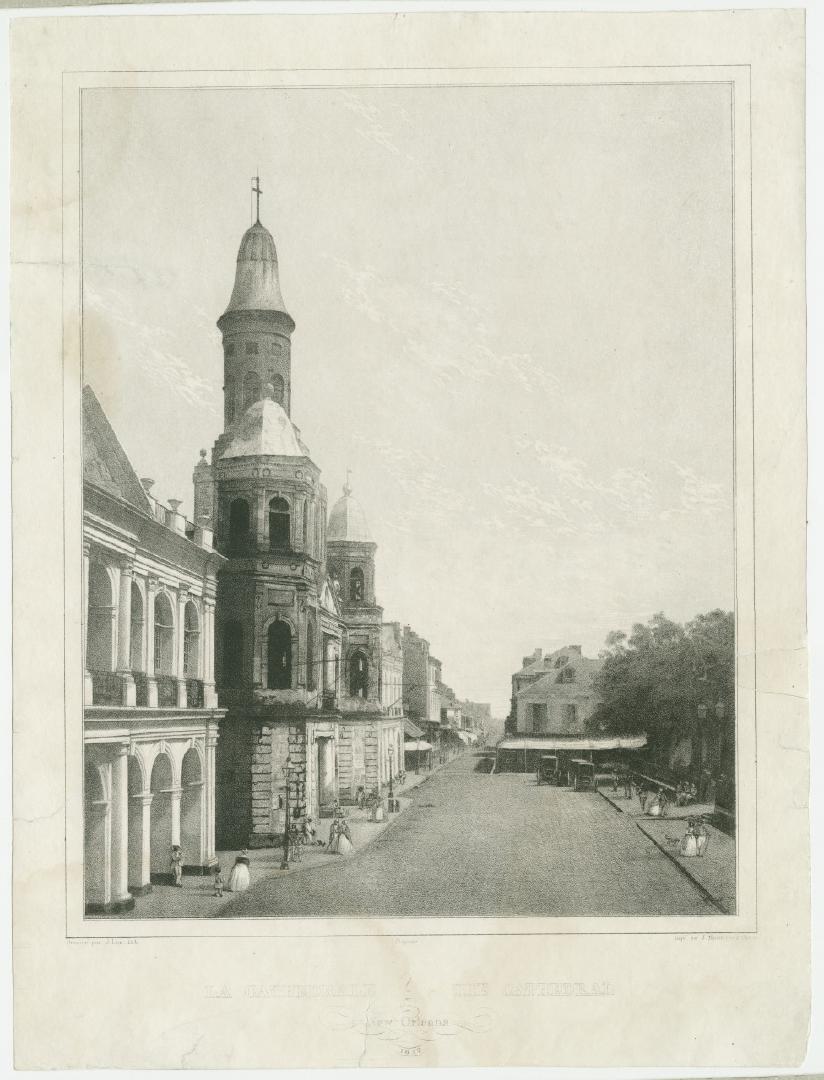
The Church: Marie Laveau at St. Louis Cathedral
Marie Laveau was a devout Catholic throughout her life. Explore Laveau’s connections to the St. Louis Cathedral and Vodou’s relationship to the Catholic Church.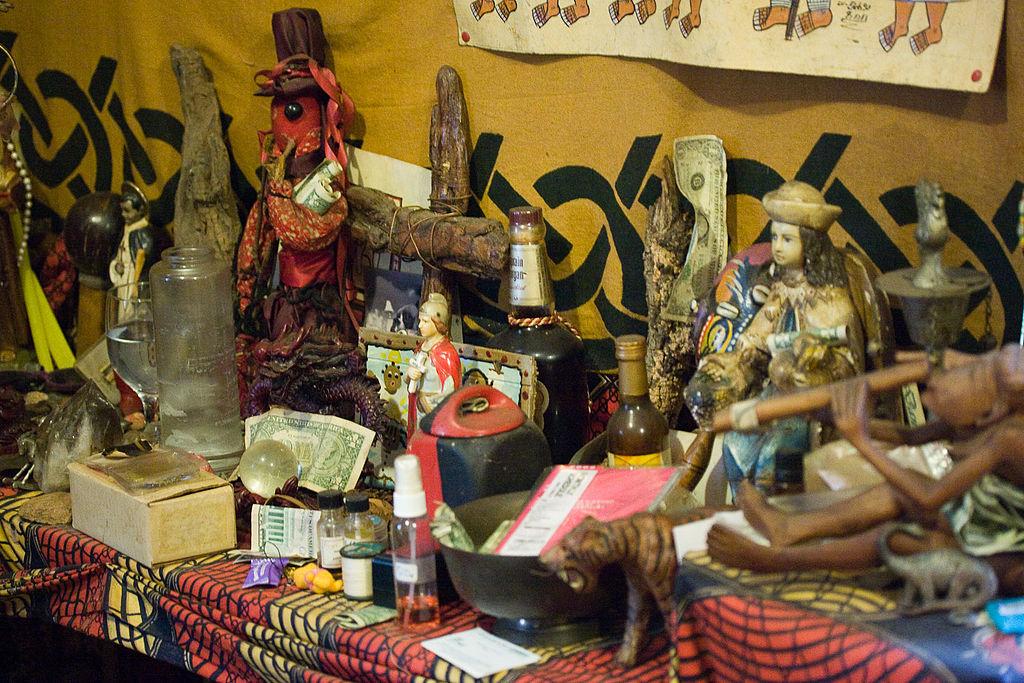
The Home: Marie Laveau’s House
Marie Laveau’s home once stood on the site of present-day 1020 and 1022 St. Ann Street. Marguerite Darcantel, Laveau’s mother, and Catherine Henry, Laveau’s grandmother, raised Marie Laveau at the…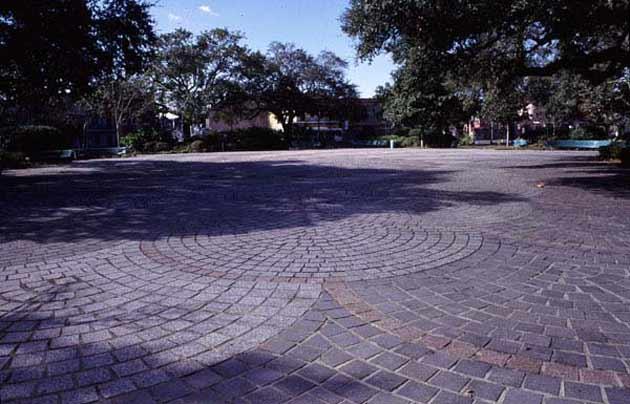
The Spirit: Marie Laveau & Congo Square
While Marie Laveau worshipped at Catholic Mass in St. Louis Cathedral, she likely practiced Vodou at Congo Square. While no official documents place Laveau at Congo Square, many eyewitness accounts…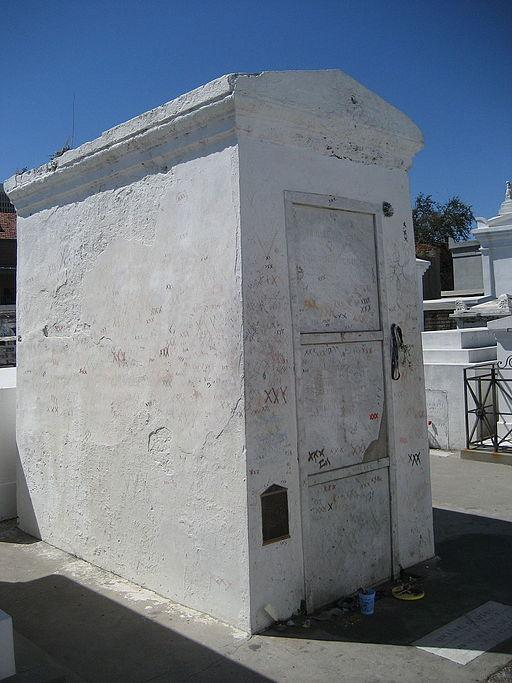
The Ancestors: Marie Laveau's Tomb
St. Louis Cemetery #1 on Basin Street, once outside the city limits, is the oldest existing cemetery in New Orleans. Towering above-ground tombs remind visitors of New Orleans’ high water table and…Tour curated by: August Darbonne